

Planning dental crown treatment in Hanoi
Whether you live in Hanoi or are here for a short stay, crown treatment starts with two practical questions: what does your tooth need, and how will the appointments fit into your plans?
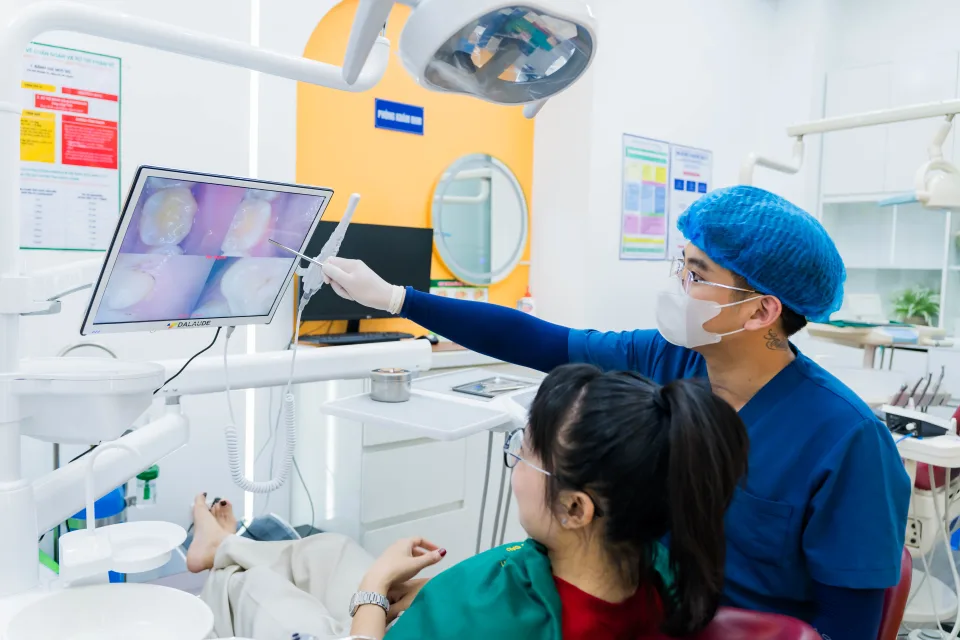
Hong Quynh Dental Clinic offers English support for arranging your visit and discussing your dental concerns, treatment options, and costs. An examination helps establish whether a crown is appropriate, whether another restoration could work, and what needs to happen before treatment begins.
If you already have a crown that feels loose, a damaged tooth, or a recommendation from a dentist in another country, bring any available records and explain what has changed. The plan should reflect the tooth's current condition, even if treatment has previously been discussed elsewhere.
Visiting Hanoi or living here long term?
If you are traveling on a fixed schedule
Tell the clinic your arrival and departure dates before agreeing to treatment. Crown work can involve preparation, a temporary restoration, laboratory work, fitting, and a review. Ask which visits are needed and whether the proposed plan fits the time you have available.
A short stay should not be treated as a guarantee that a crown can be completed before you leave. The dentist needs to assess the tooth first, including whether any other treatment is required. Clarify the schedule before tooth preparation, rather than planning around a promised number of days.
If Hanoi is your home
For expats and international residents, the decision may involve replacing an older crown, completing treatment started elsewhere, or choosing a restoration that suits your day-to-day life and budget.
Discuss how the proposed crown will fit into your ongoing care. Ask what records to keep, how reviews are arranged, and what to do if you later move away from Hanoi. These questions are worth considering alongside the material and price.
Crown prices in Vietnamese dong and US dollars
Reference prices for crowns at Hong Quynh Dental Clinic range from 2,000,000 to 10,000,000 ₫ per tooth, approximately $79-$394.
Prices below are in Vietnamese dong (₫), with approximate US dollar ($) equivalents to help you compare costs. The final quotation depends on the teeth involved, the restoration selected, and any additional treatment needed.
Crown options
Inlay and onlay options
An inlay or onlay may be discussed as a partial restoration rather than a full crown. Suitability depends on the remaining tooth structure and the dentist's assessment.
Dollar estimates use $1 = 25,410 ₫, checked on 10 November 2026, and are rounded to the nearest dollar. Vietnamese dong prices are the reference prices; your bank's exchange rate and fees may differ. The dollar figures do not indicate that payment in US dollars is available.
Understand the full quotation
Before comparing a quote with one from your home country or another clinic, check what each quote includes. Ask about:
- The teeth and restorations covered by the quotation.
- Any examination, imaging, or preliminary treatment fees.
- Temporary crowns and laboratory work.
- Fitting, bite adjustments, and review appointments.
- Any separately quoted root canal treatment, gum treatment, or tooth build-up.
- The warranty conditions for the chosen restoration.
You can view the English service price list before your appointment. Confirm the full treatment plan and quotation after examination.
Does your tooth need a crown?
A crown covers a prepared tooth to help restore its shape and function. It may be considered for a badly damaged tooth, a large existing filling, substantial wear, or a root-canal-treated tooth that needs additional protection.
A crown is not the only restoration available. A filling, inlay/onlay, or veneer may be suitable in some situations. Because a full crown involves tooth preparation, ask why that approach is being recommended and how much natural tooth structure can be retained.
If you are mainly concerned about appearance, describe what you would like to change. The dentist can assess the teeth and bite before explaining the options. You can also read about dental fillings and porcelain veneers.
Choosing a material you understand
Brand names may differ from those you have encountered at home. Ask the dentist to explain the proposed restoration, its material, and why it is being suggested for your tooth.
Useful points to discuss include:
- Tooth position: How visible is the tooth, and what role does it have in chewing?
- Shade and shape: How will the restoration blend with neighbouring teeth?
- Existing dental work: Are there older crowns, fillings, or root canal treatments to consider?
- Tooth preparation: What preparation is needed, and are there alternatives?
- Budget and warranty: What does each option cost, and which warranty conditions apply?
For several teeth, clarify the plan for each tooth instead of assuming every tooth needs the same restoration. For a single crown, discuss how its colour and shape will fit alongside your natural teeth.
What to expect from the appointments
Examination and treatment planning
Explain your symptoms, previous dental treatment, health conditions, medicines, and known allergies. Bring earlier X-rays or treatment notes if you have them, and tell the dentist if you are planning onward travel.
Before proceeding, make sure you understand the proposed treatment, any preliminary care, the material, the expected visits, and the quotation. Ask for clarification in English when a term or recommendation is unfamiliar.
Preparation and the temporary stage
If a crown is chosen, the tooth is prepared and an impression or scan is taken for the restoration. A temporary crown may be used while the final crown is being made.
Ask how discomfort will be managed, how to care for a temporary crown, and whom to contact if it becomes loose. If you are traveling between appointments, discuss that before treatment starts.
Fitting and checking your bite
The dentist checks the crown's fit, shade, shape, and bite before final placement. Explain if it feels high, uncomfortable, or different from what you expected. You should also understand the care instructions and review arrangements before leaving.
Preparing for a visit from abroad or elsewhere in Hanoi
When contacting Hong Quynh Dental Clinic, have these details ready where possible:
- The tooth or area causing concern and how long the problem has been present.
- Whether you already have a crown, a large filling, or previous root canal treatment.
- Any earlier X-rays or treatment records you can bring.
- Your available appointment dates and departure date, if relevant.
- Any questions about materials, costs, English support, or follow-up.
Contact the clinic to ask which information would be helpful before your visit. A treatment recommendation and schedule still need an examination; an enquiry does not confirm that a particular procedure can be completed during your stay.
Looking after the crown and planning follow-up
A crowned tooth still needs daily care. Brush twice a day with fluoride toothpaste, clean between the teeth, and pay attention to the gum line. Avoid using your teeth to open objects or bite very hard items, and follow the dentist's individual instructions.
Ask when a review is needed and what changes you should report. Contact the clinic if the crown feels loose, comes off, breaks, or causes pain or discomfort when chewing. Persistent gum swelling, bleeding, or food trapping around the restoration also needs assessment.
If you are leaving Hanoi
Before departure, clarify how to contact Hong Quynh Dental Clinic and what information to keep about the restoration. If a problem develops after you leave, explain the symptoms and arrange dental assessment where you are when needed. Do not rely on a future return to Hanoi as the only way to have a problem checked.
Warranty questions for international patients
The listed warranty periods appear in the price tables above. Ask what is covered, which conditions apply, and where a review or any warranty work would need to take place.
If you live abroad or expect to relocate, discuss those practical arrangements before choosing treatment. A listed warranty period does not describe overseas care arrangements, and it is different from the restoration's actual service life.
Keep details of the crown material, treatment date, and care instructions for your own records and future dental visits.
Find Hong Quynh Dental Clinic in Hanoi
Hong Quynh Dental Clinic is at 14 Lane 36 Mieu Dam Street, Tu Liem, Hanoi. Use the English contact page for the clinic location and visit information.
- Opening hours: Daily, 08:00-19:30, Hanoi time.
- Phone from overseas: +84 965 794 622.
- Phone within Vietnam: 0965 794 622.
- Zalo: Contact Hong Quynh Dental Clinic.
When sending an appointment request, include your dental concern and preferred dates. The clinic will contact you to confirm an appointment.