


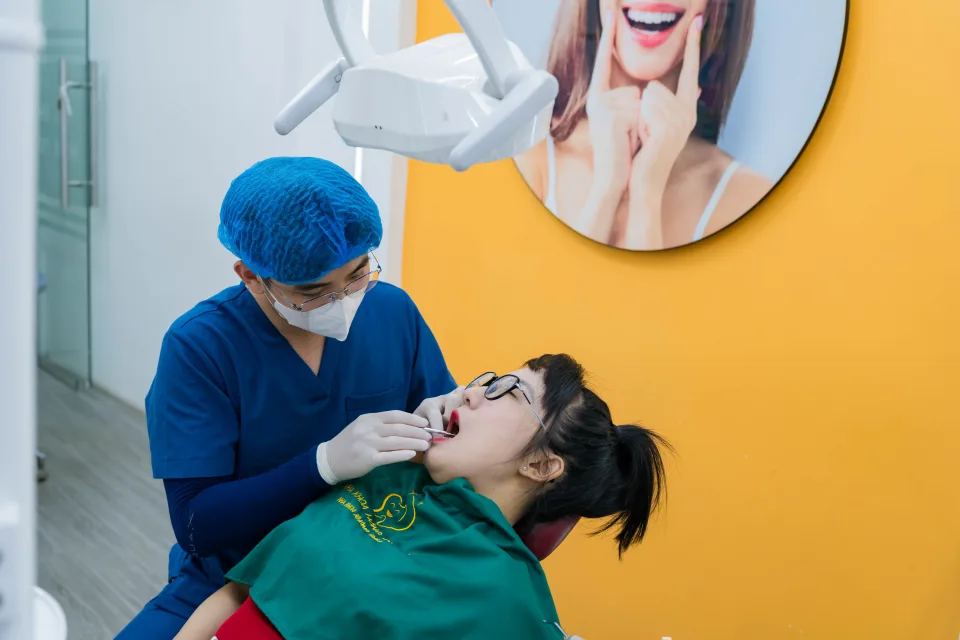
Considering veneers while living in or visiting Hanoi
You may be thinking about veneers for a chipped front tooth, a small gap, uneven shapes, or a change in colour that bothers you when you smile. If you are arranging care in Hanoi, it helps to understand both the dental decision and the time needed for appointments.
Hong Quynh Dental Clinic offers English support for discussing your goals, treatment options, costs, and visit arrangements. The first step is an examination of your teeth, gums, and bite, followed by a conversation about what you would like to change.
Porcelain veneers are thin, individually made coverings bonded to the front surfaces of teeth. Suitability depends on the teeth underneath and the changes being considered. Bring questions about preparation, alternatives, and future care, especially if another dentist has already suggested a treatment plan.
Allow 1-2 weeks for veneer treatment
The confirmed veneer treatment schedule is 1-2 weeks. The appointments involve planning, tooth preparation where required, impressions or scanning, laboratory fabrication, fitting, bonding, and review arrangements.
If you are visiting Hanoi
Share your arrival and departure dates when you first contact the clinic. Before treatment starts, agree on the appointment dates and ask how fitting and a comfort or bite check will fit into your stay. Allow room in your plans for the dentist to assess any concerns before you leave.
The 1-2 week schedule applies to the veneer process. If an examination identifies decay, gum problems, or other care needed beforehand, the dentist will discuss that treatment and its timing separately. A travel deadline needs to be considered before any tooth preparation.
If you live in Hanoi
Let the clinic know about work commitments and any upcoming travel. Discuss how the visits can fit around your routine, and how reviews will be arranged once the veneers have been fitted.
If you expect to move away from Vietnam, ask what information to keep and how to contact the clinic for advice later.
Veneer prices in Vietnamese dong and US dollars
Listed porcelain veneer prices at Hong Quynh Dental Clinic range from 6,000,000 to 10,000,000 ₫ per tooth, approximately $236-$393.
The dollar figures are approximate US dollar equivalents, using $1 = 25,470 ₫, checked on 12 November 2026, and rounded to the nearest whole dollar. Vietnamese dong prices are the reference prices. Your bank's rate and fees may differ, and these estimates do not indicate that payment in US dollars is available.
Understand the full quotation
The total depends on the number of teeth, the selected material, and any care needed before the veneers are made. Ask which teeth are included and why each one is being treated.
Confirm the charges for the planned stages, including examination, impressions or scanning, laboratory work, any temporary restorations, fitting, bonding, and reviews. If a mock-up or other preview is proposed, ask how it will be used and whether it carries a separate charge.
You can view the English price list before your visit. The treatment plan and quotation should be confirmed after examination.
Cash or bank transfer
The clinic accepts cash or bank transfer. Confirm the total, payment timing, and transfer details with the clinic before treatment. If you use an overseas bank account, check your bank's transfer arrangements and fees in advance.
Are veneers appropriate for your teeth?
An assessment considers the remaining enamel, existing fillings or restorations, gum health, and how the teeth meet when you bite. Tell the dentist about sensitivity, previous dental treatment, and any grinding or clenching.
Small chips, gaps, and differences in shape or colour may be reasons to discuss veneers. Teeth with extensive damage, large fillings, or an unfavourable bite may need a different approach. Existing decay or gum disease also needs attention before cosmetic treatment.
One tooth or several?
A single veneer may be considered for one tooth that looks different from its neighbours. Matching its shade and shape is an important part of that discussion.
For several teeth, explain which changes matter to you and ask how each proposed veneer contributes to the plan. The number should follow the findings and your goals, with a clear explanation of the work involved on each tooth.
Understand preparation and your alternatives
Some cases require removal of enamel to make space for the veneer and achieve the planned shape. Removed enamel does not grow back. Ask the dentist to explain the extent of preparation before you agree to treatment.
A minimal-preparation or no-preparation approach depends on the tooth position, underlying colour, available enamel, and desired changes. It needs individual assessment.
Other ways to address your concern
Veneers change the visible surface of teeth. They do not move the roots or correct every bite problem. Ask whether teeth whitening, cosmetic fillings, dental crowns, or orthodontic treatment could address your concern.
Choosing material, shade, and shape
The available options are Emax Press, Lisi Press, and Ceramay Press. If these names are unfamiliar, ask the dentist to explain the proposed material in relation to your teeth, preferences, and budget.
Discuss how the planned shade and shape will sit alongside untreated teeth and any existing dental work. Reference photographs can help explain your preferences, while the proposed result needs to reflect your own teeth, gums, and bite.
Warranty length is one part of the comparison. You should also understand the preparation involved, the appearance being planned, and the future care each option may require.
What to expect at your appointments
Examination and an agreed plan
Bring available dental records, recent X-rays, or information about existing restorations. Explain any symptoms and the treatment you have already received. The dentist can then discuss suitable options, preparation, risks, costs, and the appointment schedule in English.
Preparation and laboratory work
If you choose veneers, the teeth are prepared according to the agreed plan and impressions or scan data are collected for fabrication. Temporary restorations may be used when appropriate. Ask how to care for your teeth during this stage and whom to contact if something feels uncomfortable.
If the plan includes a mock-up or another preview, use that opportunity to discuss the proposed shape and proportions. Ask what it can show and which details will still need checking with the final veneers.
Try-in, bonding, and bite checks
At fitting, the dentist checks the veneers' fit, colour, shape, and relationship with the surrounding teeth. Raise any concerns before final bonding.
The bite is checked after placement. Explain if a tooth feels high or uncomfortable, and make sure you understand the aftercare instructions and review arrangements before leaving.
Looking after your veneers
Daily care protects the natural teeth and gums around the veneers. Brush twice a day with fluoride toothpaste, clean between your teeth daily, and follow the dentist's individual advice.
Avoid using your teeth to open packaging or bite hard objects. If you grind or clench, discuss how this affects your treatment and whether a protective appliance is appropriate. Confirm any separate charge before it is made.
Veneers can chip, crack, or loosen and may eventually need repair or replacement. Contact the clinic if you notice a loose veneer, damage, persistent discomfort, or an uneven bite. Keep any detached piece and bring it to your appointment. Do not use household glue or try to adjust a veneer yourself.
Follow-up after leaving Hanoi
Before departure, keep a record of the material used, the treatment date, care instructions, and the clinic's contact details. Ask when a review is advised and explain if you will be overseas at that time.
If a problem develops after you leave, contact Hong Quynh Dental Clinic with a description of the symptoms. Arrange an examination with a dentist where you are when needed, particularly for pain, damage, or a loose restoration. Waiting for a future trip to Hanoi may delay assessment.
Discuss warranty arrangements before treatment
The listed warranties are 10 years for Emax Press, 12 years for Lisi Press, and 15 years for Ceramay Press. Ask about the scope, conditions, and where any assessment or warranty work would need to take place.
A warranty period is different from the actual service life of a veneer. It does not by itself establish overseas treatment arrangements or cover travel costs. Clarify the practical details if you live abroad or expect to relocate.
Arrange a veneer consultation in Hanoi
Hong Quynh Dental Clinic is at 14 Lane 36 Mieu Dam Street, Tu Liem, Hanoi, open 08:00-19:30 daily.
Message the clinic on WhatsApp with your concern and available dates. You can also use Zalo, call +84 965 794 622, or request an appointment.
Mention if you would like English support and include your departure date if you are visiting. Use the English contact page for location and visit information.