


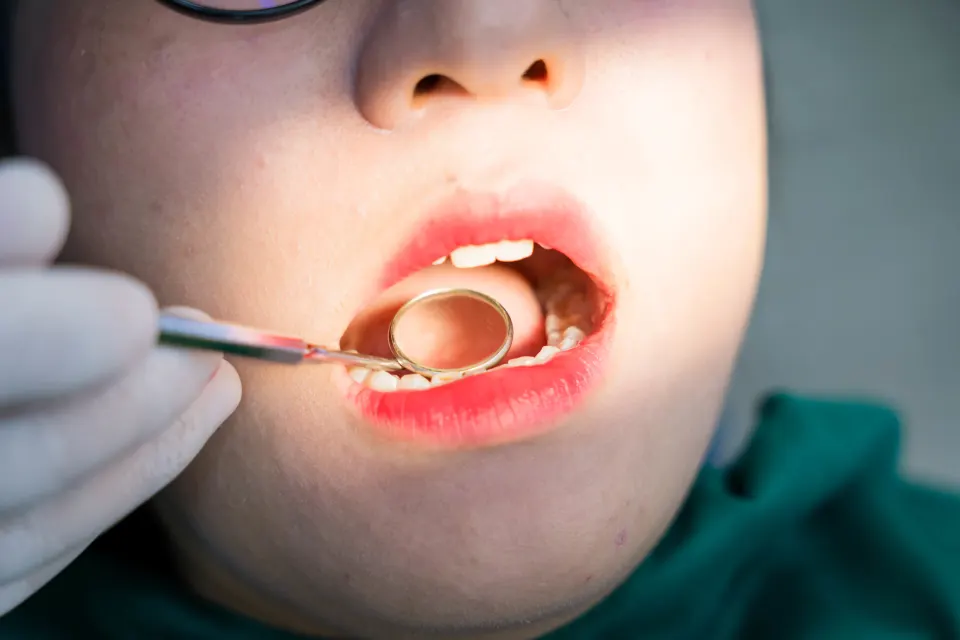
Composite bonding for front teeth
Composite bonding is a direct dental restoration made with tooth-colored Composite. The material is placed, shaped, hardened, finished, and polished directly on the tooth.
It may be used to repair a small chip, rebuild a worn edge, adjust limited tooth shape, close a suitable small gap, or replace an old front-tooth filling.
You may also hear this treatment described as a cosmetic filling, cosmetic dental bonding, or direct Composite restoration. On this page, these terms refer to front-tooth treatment completed directly with Composite.
For cavities or functional restorations involving other tooth surfaces, see the separate dental fillings service.
When composite bonding may be suitable
Composite bonding may be considered for:
- A small chip on a front tooth.
- A worn or uneven incisal edge.
- Limited loss of front-tooth structure.
- A small gap between suitable teeth.
- Minor adjustment of tooth length or shape.
- A small cavity where enough healthy tooth remains.
- An old filling that is chipped, loose, worn, discolored, or no longer shaped appropriately.
- A small defect that regularly traps food.
The dentist needs to examine the tooth, remaining structure, dental pulp, gums, shade, contacts, and bite before deciding whether a direct Composite restoration is suitable.
When another treatment may be more appropriate
Composite bonding cannot address every concern involving tooth color, position, shape, or structure.
Another treatment may need to be discussed when:
- A large amount of tooth structure has been lost.
- The remaining tooth walls are too thin to support the restoration.
- The tooth has a substantial fracture or suspected crack.
- Decay extends close to or into the dental pulp.
- You have spontaneous pain, night pain, or lingering sensitivity.
- Internal discoloration would be difficult to mask predictably.
- A gap is too large to close while maintaining balanced tooth proportions.
- Several teeth are crowded, rotated, or significantly out of position.
- The bite places heavy force on the proposed Composite edge.
- You grind or clench your teeth.
- The gum around the tooth is inflamed or unstable.
- You want extensive changes across several teeth.
Depending on your concern, the dentist may discuss teeth whitening, porcelain veneers, dental crowns, orthodontic treatment, root canal treatment, or another restorative approach.
Planning composite bonding during a stay in Hanoi
Composite bonding is a direct treatment and does not normally require laboratory manufacturing. A suitable case can often be examined and treated during one appointment.
The estimated treatment time is 30-60 minutes per tooth. Your complete visit may take longer because it includes examination, treatment discussion, shade selection, preparation, shaping, polishing, and a bite check.
More time or another appointment may be needed when:
- An old restoration must be removed.
- Decay needs to be treated first.
- Several teeth are involved.
- Shade matching or tooth shaping is more detailed.
- A gap requires changes to more than one tooth.
- The bite requires careful adjustment.
- The dental pulp needs further assessment.
- Imaging or anesthesia is considered.
- Another treatment is recommended before bonding.
If you are visiting Hanoi, tell Hong Quynh Dental Clinic your arrival date, available appointments, and departure date before starting treatment. A time estimate can be discussed in advance, but suitability can only be confirmed after examination.
Composite bonding prices in Hanoi
Composite bonding at Hong Quynh Dental Clinic currently costs 500,000-700,000 ₫ per tooth, approximately $20-$27.
The dollar estimates below use the Vietcombank USD transfer-buying rate checked on 12 November 2026 at 10:12:10 AM: $1 = 25,510 ₫. Dollar amounts are rounded to the nearest whole dollar.
Vietnamese dong prices are authoritative. Dollar figures are estimates for international patients and do not indicate that payment in US dollars is accepted.
The total cost depends on the number of teeth, the size of each restoration, the condition of any old filling, and treatment needed before Composite placement.
You can review the English dental price list. The proposed material, treatment items, and total cost should be confirmed after examination.
Payment
Hong Quynh Dental Clinic accepts:
- Cash.
- Bank transfer.
Confirm the treatment items, total cost, and payment arrangements before treatment.
Korean and Swiss Composite
The material should not be selected only by its country of origin, price, or warranty period.
The dentist may consider:
- The tooth and surface being restored.
- The size of the chip, defect, or missing area.
- The amount of healthy tooth structure remaining.
- The color and translucency of neighboring teeth.
- Whether the treatment area can be kept sufficiently dry.
- Biting forces on the restored edge.
- Tooth contacts during forward and sideways jaw movement.
- Grinding, clenching, or hard-biting habits.
- The shape change you want to achieve.
A longer warranty does not guarantee that a restoration will last for exactly that period. The dentist can explain the material recommendation after examining the tooth and bite.
Shade matching and whitening plans
Composite is available in different shades and levels of translucency. The result depends on the underlying tooth color, restoration size, position, lighting, neighboring teeth, and the material's ability to mask the tooth beneath it.
The aim is a balanced appearance during normal smiling and conversation. A Composite restoration cannot be guaranteed to look identical to natural enamel under every type of lighting.
Natural teeth and Composite can also change color differently over time. Coffee, tea, tobacco, strongly colored foods, oral hygiene, and surface wear may affect the appearance of the restoration.
If you are considering teeth whitening, discuss it before bonding. Existing Composite does not whiten in the same way as natural tooth structure, so treatment order can affect shade selection.
Repairing a chipped front tooth
A small front-tooth chip may be rebuilt with Composite when enough tooth structure remains and the dental pulp has not been significantly affected.
The dentist should assess why the tooth chipped, especially when the damage followed trauma or has happened repeatedly.
Further assessment may be needed when:
- A large part of the tooth has broken.
- The tooth is painful, loose, or changing color.
- There is a suspected crack.
- The tooth has previously been injured.
- The chip extends close to the dental pulp.
- The bite repeatedly places force on the same edge.
If you still have a recently broken tooth fragment, bring it to the appointment. Do not attempt to attach it with household glue.
Closing a small gap with Composite
A limited gap may sometimes be closed by adding Composite to the neighboring teeth.
Before recommending this approach, the dentist considers:
- The size and position of the gap.
- Tooth width and length.
- How many teeth need adjustment.
- The contact between neighboring teeth.
- Gum contours.
- The bite and jaw movements.
- The reason the gap developed.
- Whether the result would remain easy to clean.
A larger gap or a problem involving the position of several teeth may be more suitable for orthodontic treatment or another approach.
Replacing an old or discolored filling
An old filling does not automatically need replacement because of its age or color.
The dentist will assess:
- The edge between the Composite and natural tooth.
- Gaps or recurrent decay.
- Surface wear, roughness, cracks, or chips.
- Tooth color and your aesthetic concern.
- Contact with neighboring teeth.
- The bite on the restoration.
- The amount of tooth structure that would remain after removal.
Some restorations may be polished or repaired. Others may need complete replacement when there is decay, an open edge, significant damage, or unsuitable shape.
What happens during composite bonding?
1. Discussing your concern
You explain what you would like to change, such as repairing a chip, closing a limited gap, rebuilding a worn edge, or replacing an old filling.
2. Examining the tooth and bite
The dentist checks the tooth, dental pulp, gums, remaining structure, neighboring contacts, and forces on the proposed restoration.
3. Confirming the plan and cost
The proposed treatment area, material, expected shape, limitations, cost, and possible alternatives are discussed before treatment.
4. Selecting the shade
Composite is selected to coordinate with the current tooth and surrounding teeth. The dentist will discuss realistic shade expectations.
5. Cleaning and preparing the area
The tooth is cleaned. Decay or an old restoration is treated when required before new Composite is placed.
6. Placing and shaping Composite
The material is placed in stages, hardened, and shaped directly on the tooth.
7. Finishing and polishing
The edges and surface are refined and polished.
8. Checking contacts and bite
The dentist checks contact with neighboring teeth and how the restoration meets the opposing teeth. Areas that feel high or receive unsuitable force are adjusted.
Does composite bonding hurt?
The experience depends on the tooth and the amount of treatment required.
For a small chip where no decay or old restoration must be removed, you may mainly notice cleaning, shaping, and polishing.
If decay needs to be removed, an old filling must be replaced, or the tooth is sensitive, the dentist can discuss discomfort control and whether local anesthesia should be considered.
An X-ray or local anesthesia is not automatically required for every case. The decision depends on symptoms, the depth of damage, previous trauma, and the examination findings.
What to expect after treatment
A newly shaped tooth may feel slightly different while you become accustomed to it.
Contact the clinic if:
- The restoration feels too high when you bite.
- An edge feels rough against your lip or tongue.
- Dental floss repeatedly catches or tears at the contact.
- The tooth hurts when you bite.
- Sensitivity increases or does not settle.
- You develop spontaneous pain or pain at night.
- The Composite becomes loose, chipped, or detached.
- The surrounding gum remains swollen or continues bleeding.
Do not grind the restoration yourself or use household glue on detached Composite.
Caring for composite bonding
Follow the dentist's instructions about eating and drinking after treatment.
For ongoing care:
- Brush twice daily with fluoride toothpaste.
- Clean between the teeth every day.
- Limit frequent sugary foods and drinks.
- Avoid biting ice, bones, or other very hard objects.
- Do not use your teeth to open packaging.
- Avoid biting fingernails or pens.
- Be aware that strongly colored foods, drinks, and tobacco may affect appearance.
- Contact the clinic if your bite feels unusual.
- Attend dental examinations as advised.
Tell the dentist if you grind or clench your teeth. Repeated forces may affect the Composite edge and the remaining tooth structure.
Durability and warranty
The current listed warranties are:
- Korean Composite: 1 year.
- Swiss Composite: 2 years.
Ask the clinic to explain the applicable warranty conditions before treatment.
A warranty period is different from the actual lifespan of a restoration. Durability depends on:
- Restoration size and position.
- Remaining tooth structure.
- Force on the restored edge.
- Your bite.
- Grinding or clenching.
- Hard-biting habits.
- Oral hygiene.
- Recurrent decay.
- Surface wear and staining.
Composite may eventually need polishing, repair, or replacement if its surface, edge, color, contact, or bite is no longer appropriate.
Composite bonding, veneers, crowns, whitening, or orthodontics
Each treatment addresses a different type of concern.
Composite bonding
May suit a limited chip, worn edge, small gap, minor defect, or direct shape adjustment.
Porcelain veneers
May be considered when more extensive changes to front-tooth color or shape are wanted. Ask about enamel preparation and alternatives before deciding.
Dental crowns
May be considered when a tooth has lost substantial structure, already contains a large restoration, or requires broader coverage.
Teeth whitening
May suit a color concern when the existing tooth shape is acceptable.
Orthodontic treatment
May be more appropriate when the main problem involves tooth position, a larger gap, crowding, or the bite.
The dentist should examine each tooth and discuss the level of intervention before recommending treatment.
Follow-up after leaving Hanoi
If you will leave Hanoi shortly after treatment, share your departure date before the procedure. The dentist can explain what to monitor and whether a review before departure is advisable.
If a concern develops after you leave Hanoi, contact Hong Quynh Dental Clinic with:
- The tooth that was treated.
- The treatment date.
- Your current symptoms.
- Whether the problem involves sensitivity, pain, biting, roughness, discoloration, or a damaged restoration.
- When the problem began and whether it is getting worse.
Photos may help explain a visible issue but cannot replace an in-person dental examination.
For increasing pain, facial swelling, fever, difficulty swallowing or breathing, or another urgent symptom, seek prompt dental or medical care where you are currently located.
Contact Hong Quynh Dental Clinic
Hong Quynh Dental Clinic is located at 14 Lane 36 Mieu Dam Street, Tu Liem, Hanoi.
- Opening hours: 08:00-19:30 daily.
- WhatsApp: Message +84 965 794 622.
- Zalo: Contact the clinic.
- Phone: Call +84 965 794 622.
- Appointment: Request a composite bonding appointment.
- Location information: View the English contact page.
When contacting the clinic, describe the tooth, what you would like to change, any symptoms, your available dates, and your departure date if you are visiting Hanoi.